
If you’re looking for dinner inspiration, your Best of Bridge cookbook collection is a great place to begin. Chicken recipes have long been part of our collection, including dishes that readers continue to search for by name.
Classy Chicken is one of those familiar Best of Bridge favourites. Readers still ask for it by name, along with other favourites like Japanese chicken wings, chicken pot pie, chicken in wine and cashew chicken.
But when you’re deciding what to make, the cut of chicken can be just as important as the recipe itself. Chicken breasts, thighs, drumsticks and whole chickens each have characteristics that make them better suited to different dishes and cooking methods.
For Best of Bridge cooks, chicken has certainly stood the test of time. Our cookbook index is filled with chicken dishes created for everything from weeknight dinners to entertaining. Understanding the different cuts can help you choose among chicken recipes and get more out of the recipes you already love.
Choosing Cuts for Different Chicken Recipes
Boneless chicken breasts are convenient when you want a relatively quick cooking time. Their mild flavour also makes them adaptable to many different seasonings, sauces and accompaniments. Because chicken breast is lean, following the recipe’s cooking time and method carefully helps prevent it from becoming dry.
Chicken thighs have a richer flavour and contain more fat than breasts. They’re well suited to dishes with longer cooking times and recipes where the chicken cooks in a sauce. Bone-in and boneless thighs behave differently, however, so it’s best to use the cut specified in your recipe rather than substituting without adjusting the cooking time.
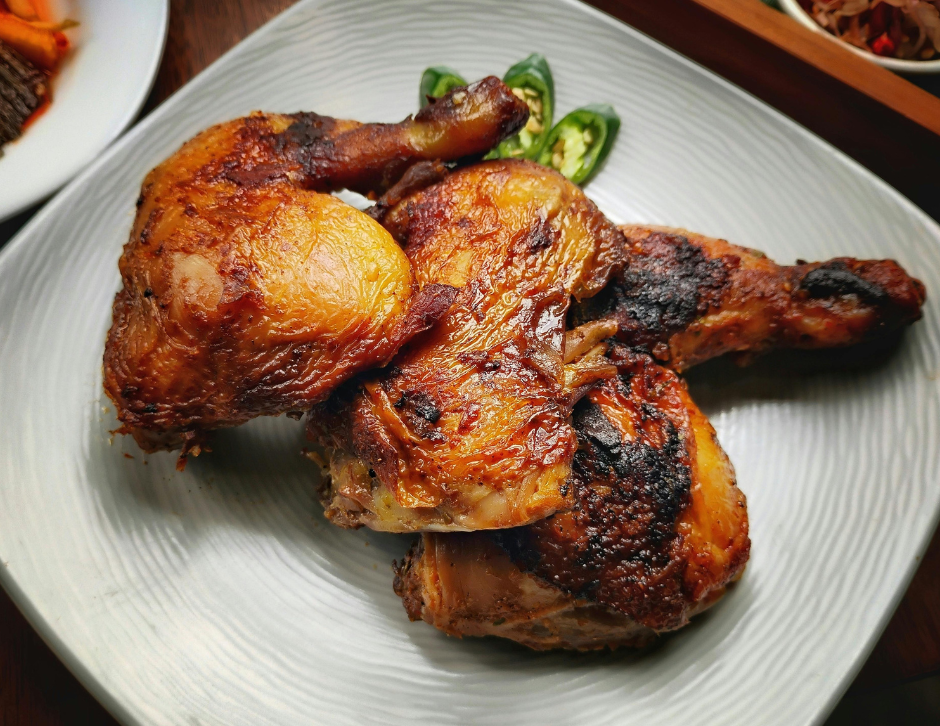
Drumsticks and other bone-in pieces are useful for casual family dinners and recipes where the chicken has time to develop plenty of flavour as it cooks. A whole chicken, meanwhile, can make a wonderful centrepiece for a family meal and offers a mixture of white and dark meat.
Whatever cut you’re using, safe handling matters. Keep raw chicken separate from foods that won’t be cooked and wash your hands, utensils and preparation surfaces thoroughly after they come into contact with it. Health Canada recommends cooking poultry to a safe internal temperature and checking it with a digital food thermometer.
And if you’re new to our site, explore our Best of Bridge cookbooks and online recipe collection for more chicken recipes and everyday dinner inspiration. From familiar classics to something new for the family table, there’s always another good reason to ask, “What’s for dinner?”


